
low iron glass cut to size
Understanding Pin Gauge Set Range A Comprehensive Overview Pin gauge sets are essential tools in various industries, particularly in manufacturing, engineering, and quality control. They are used for precision measurement of hole sizes, ensuring that parts fit together correctly and function effectively. This article delves into the concept of pin gauge set range, its significance, applications, and best practices for usage. What is a Pin Gauge? A pin gauge is a small, precisely manufactured rod or pin with a specific diameter. These gauges are typically made of high-quality steel and are designed to meet strict tolerances, allowing them to accurately determine the sizes of holes or diameters. Pin gauges come in various sizes, and their utility extends across a wide range of applications in engineering and manufacturing. Understanding the Range of Pin Gauge Sets The range of a pin gauge set refers to the spectrum of pin sizes available within a specific set. For example, a set might cover a range from 0.5 mm to 10 mm, with each pin representing a unique diameter within that span. This ensures that engineers and quality control specialists have access to the precise measurements needed for different components. Pin gauge sets are typically organized in increments, which can vary depending on the set. Common increments include 0.1 mm, 0.2 mm, or 0.5 mm, allowing for detailed precision in measurement. Some specialized sets might also be available in finer increments for applications that require even more accuracy. The systematic arrangement allows users to quickly locate the right gauge without confusion. The Importance of Pin Gauge Set Range The range of a pin gauge set is critical for several reasons. First, it provides versatility. A broad range allows engineers to tackle a variety of tasks without needing multiple sets. This not only saves time but also streamlines the measurement process in manufacturing environments. pin gauge set range Second, precision is vital in manufacturing. The correct pin gauge ensures that the dimensions of holes are accurate, contributing to proper assembly and functionality of mechanical components. Inaccurate measurements can lead to costly errors, including wasted materials and the need for rework. Third, having a wide range enables quality control inspectors to effectively check the tolerances of produced parts. This is particularly important in industries where safety and compliance are paramount, such as aerospace and automotive manufacturing. Applications of Pin Gauge Sets Pin gauges are used in various applications including but not limited to 1. Quality Control Ensuring that machined parts meet specified dimensions. 2. Tool and Die Making Assisting in the creation of precision tools. 3. Assembly Processes Verifying the fit of components. 4. Prototype Development Checking tolerances in early-stage designs. Best Practices for Using Pin Gauge Sets To maximize the utility of a pin gauge set, consider the following best practices 1. Proper Storage Keep gauges in a protective case to avoid damage. 2. Routine Calibration Regularly check the accuracy of pin gauges against standard references to maintain precision. 3. Careful Handling Avoid dropping or mishandling gauges to prevent bending or deformation. In conclusion, the pin gauge set range is a vital component of precision engineering and manufacturing. Understanding its importance and applications empowers professionals to achieve higher quality standards and operational efficiency in their work. Investing in a comprehensive pin gauge set can provide significant returns in terms of accuracy, quality assurance, and cost-effectiveness in production processes.
about
low iron glass cut to size
Understanding the Steel Ring Gauge A Precision Measurement Tool The steel ring gauge is an essential instrument in manufacturing and quality control, often utilized for precision measurement in various industries. Designed primarily for measuring the dimensions of objects, these gauges serve as a tool for ensuring that parts and components meet stringent specifications and tolerances. A steel ring gauge typically consists of a hardened steel body in the form of a ring, with inner diameters that are meticulously engineered. The rigidity and durability of steel make these gauges suitable for repeated use, providing consistent, accurate measurements over time. The use of high-quality steel also reduces the likelihood of wear and deformation, which can compromise measurement accuracy. The primary function of a steel ring gauge is to verify the diameters of cylindrical objects, such as shafts, pins, and other machined components. They come in two main types the go gauge and the no-go gauge . The go gauge is designed to fit onto the standard dimensions of the object being measured, indicating that the part meets the required specifications if it fits snugly. Conversely, the no-go gauge does not fit this standard, alerting the operator that the part exceeds permissible limits in size. steel ring gauge Manufacturers often employ these gauges in processes like machining, assembly, and surface finishing. By using steel ring gauges, they can identify defects early on, prevent faulty parts from progressing through production, and ultimately maintain high quality in their output. With the increasing reliance on automation and robotics in manufacturing, the role of precision measurement has become even more vital, further solidifying the importance of steel ring gauges in modern industrial practices. In addition to their use in manufacturing, steel ring gauges are also instrumental in research and development settings. Engineers and researchers often utilize these precision tools to obtain accurate measurements during the prototyping phase of product development. Ensuring that parts meet exact specifications before mass production can save valuable time and resources, preventing costly rework and ensuring customer satisfaction. One of the notable advantages of steel ring gauges is their adaptability. They can be tailored to meet specific requirements by creating custom sizes and shapes, allowing businesses to address unique measurement challenges. Furthermore, advancements in technology have led to the development of digital ring gauges, which provide electronic readouts and can store measurement data for analysis, enhancing efficiency in the inspection process. In conclusion, the steel ring gauge is a vital tool for precision measurement in manufacturing and quality control. Its design, reliability, and adaptability make it an indispensable asset in various industries. As advancements in technology continue to shape the future of manufacturing, the steel ring gauge will undeniably continue to play a critical role in maintaining high standards of precision and quality. Emphasizing the importance of this tool can help organizations uphold their commitment to excellence and efficiency in their operations.
-

High quality industrial productsagement

High quality industrial products
View Details -

Meet the diverse needs of customers

Meet the diverse needs of customers
View Details -

Strict quality control

Strict quality control
View Details -

Top raw materials

Top raw materials
View Details -

Trusted supplier

Trusted supplier
View Details
Our application

news and information
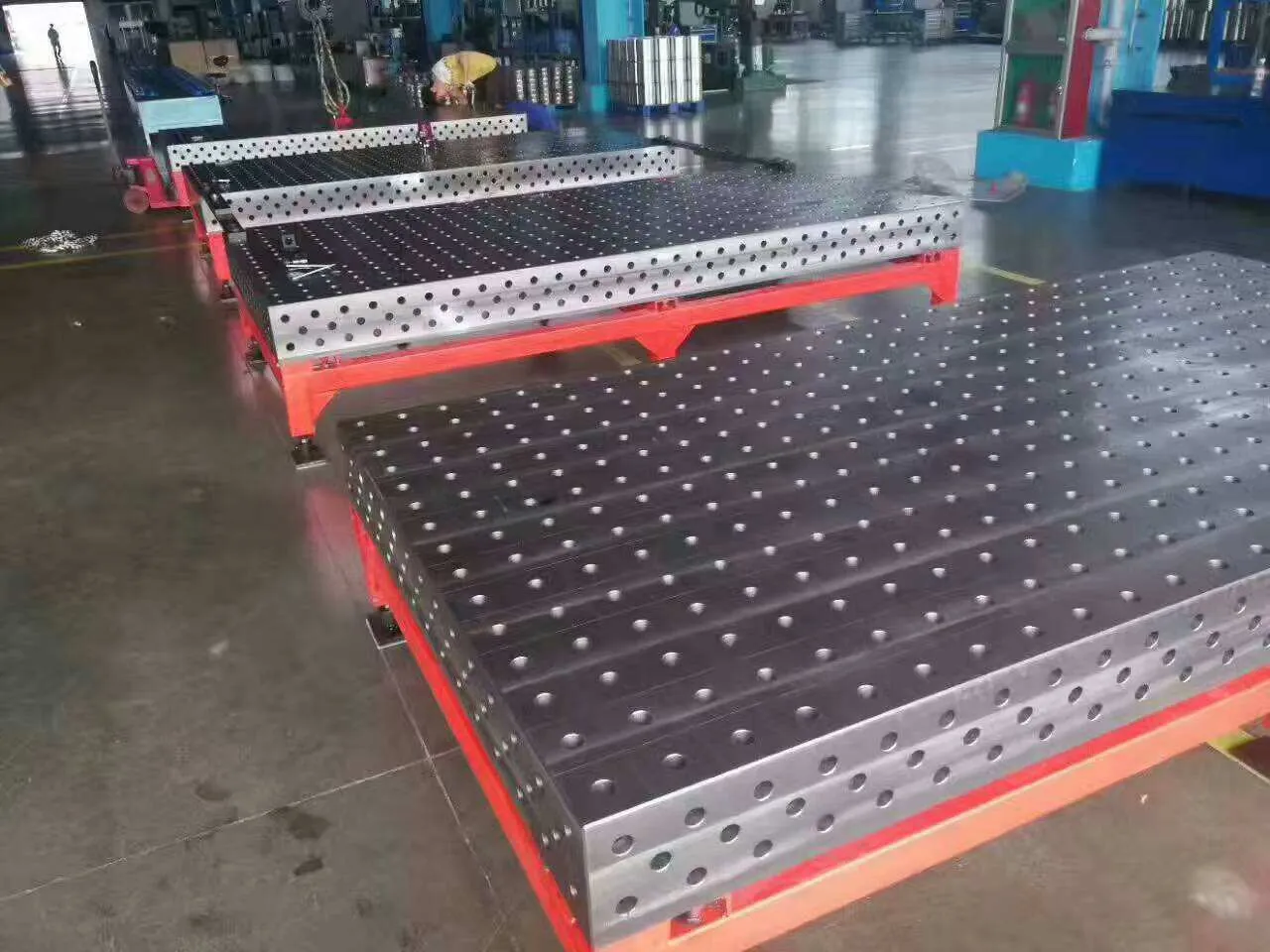
Y Type Strainer Cost Comparison and Market Insights for 2023
Understanding the Price Dynamics of Y Type Strainers Y type strainers are essential components in a
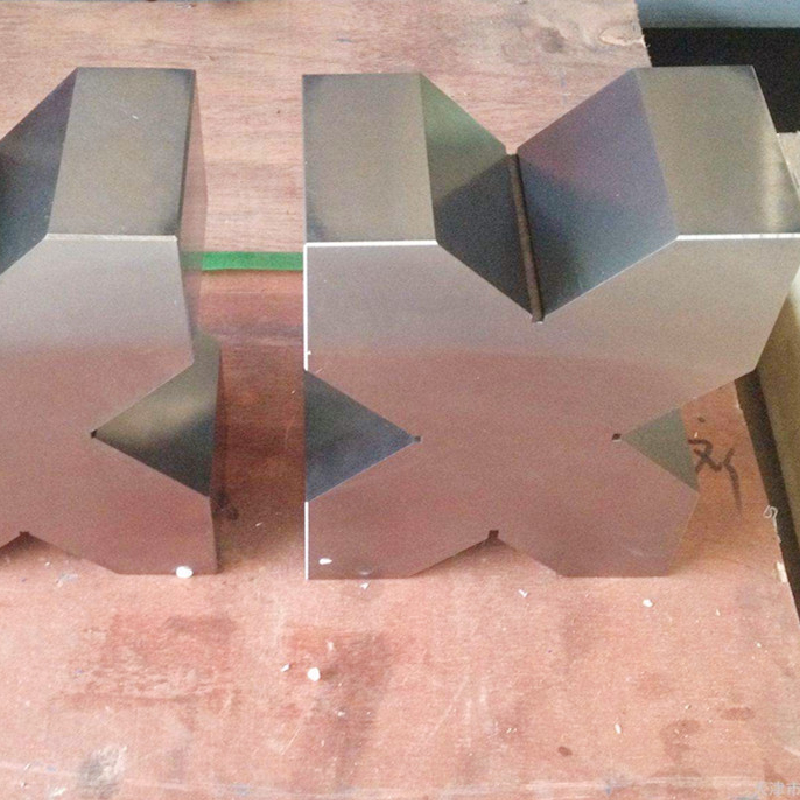
Welding Techniques for Achieving Precision with V Blocks in Fabrication Processes
The Importance of Welding V Blocks in Precision Engineering Welding v blocks are essential tools use
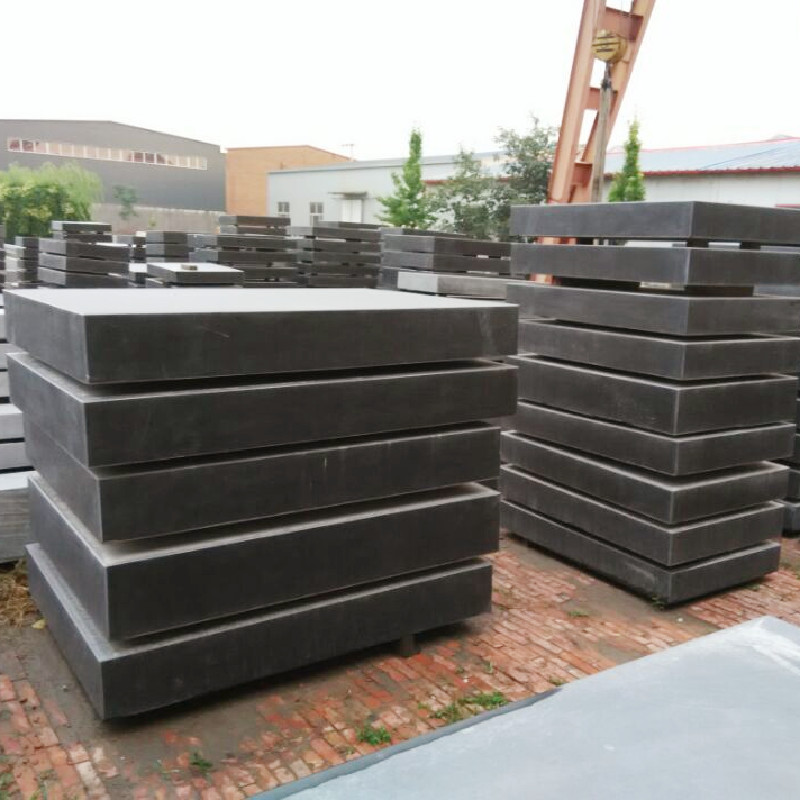
What is the Use of a Thread Ring Gauge_
When it comes to precision in manufacturing and quality control, ensuring the accuracy of threads is
 English